The Central Izu Area, encompassing Izu City and Izunokuni City, forms the administrative and cultural heart of the Izu Peninsula along the Shogunate to Tokyo Trail. Characterized by mist-covered valleys, abundant hot springs, and secluded mountain landscapes, this region functioned historically as the core zone for managing the peninsula’s strategic resources under shogunal rule.
Historical Background
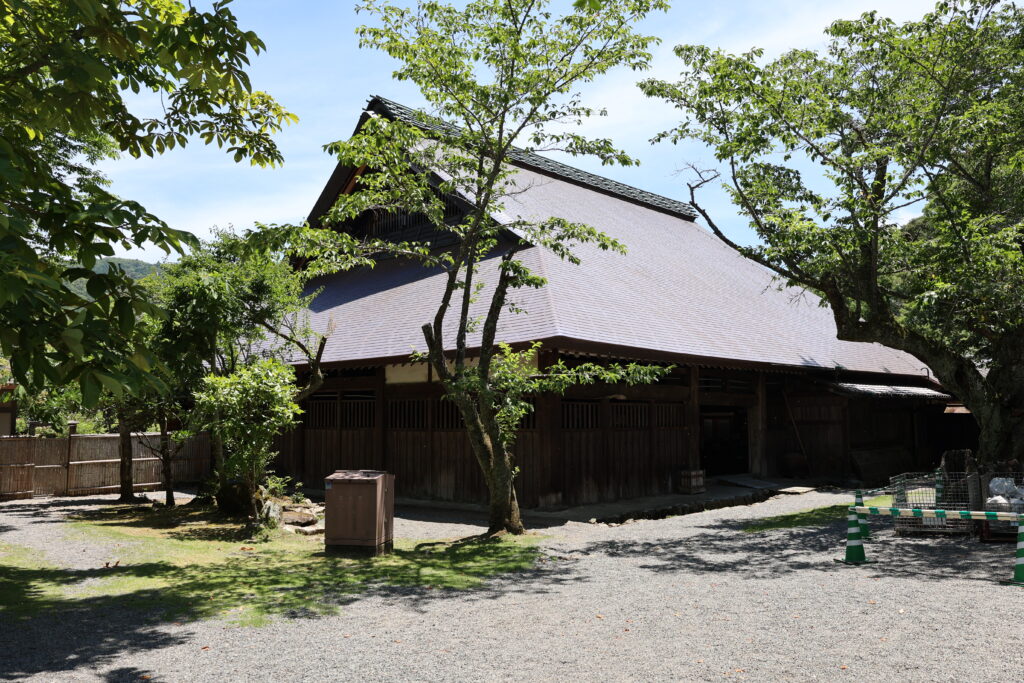
During the Edo period, the Central Izu Area served as the headquarters of the Egawa clan, a samurai family entrusted by the Tokugawa shogunate with overseeing the resources of the Izu Peninsula. From their base in this inland region, the Egawa governed stone quarries, forests, waterways, and coastal production sites, ensuring that materials essential to Edo’s construction and maintenance were efficiently controlled and mobilized. In this sense, Central Izu operated as the managerial backbone of the shogunate’s resource peninsula.
The geography of the area reinforced this role. Located away from the open coast yet well connected through valleys and mountain routes, Central Izu offered both security and accessibility. Its geothermal landscape, shaped by volcanic activity, gave rise to numerous hot springs, many of which were developed as refined retreat destinations during the Edo period. These onsen settlements became places of rest and recovery for officials, retainers, and travelers moving between Edo and the peninsula’s production zones.
As Tokyo expanded rapidly in the modern era, Central Izu acquired a new cultural significance. Seeking distance from the growing metropolis, writers, poets, and intellectuals gravitated toward this quiet inland region. Surrounded by fog, rivers, and forested slopes, they found an environment conducive to reflection and creation. As a result, Central Izu became known as a literary landscape, where modern Japanese literature took shape in dialogue with nature, history, and seclusion.
Today, the area retains this layered character. Elegant hot spring resorts nestled in narrow valleys coexist with campsites, walking trails, and historical sites associated with samurai governance and modern literature. The rhythm of the landscape—misty mornings, flowing rivers, and wooded hills—continues to define the experience of the region.
Within the Shogunate to Tokyo Trail, the Central Izu Area represents a zone of management, retreat, and cultural depth. It is where the resources that built Edo were administered, where the pressures of the modern city were resisted, and where political authority, natural environment, and literary imagination converged in the heart of the peninsula.