The Epic of Building a World City
at the Eastern Edge
400 years ago, Japan’s center was Kyoto in the west—far from Tokyo.
Farther east than the Kyoto–Osaka area, and even farther east than the Southern Mt. Fuji Area, Tokyo’s land was once a low, wet area, with few building materials: a quiet “out-of-the-way” marshland.
And yet—on the far eastern edge of the world, a great city was born.
East Japan story has two acts.
Act One: The shogun moved to Edo, and samurai power began a vast city-building project. Waterways on rivers and the sea were improved, stone-based construction advanced, and Edo started to grow into a huge city.
Act Two: Foreign ships arrived, ports opened, and Japan began welcoming foreigners. Edo changed into “Tokyo” and grew into an international city.
About 400 years ago, Edo’s construction began.
In 260 years, it became a city of over one million people.
In 60 more years, it became a major economic center of East Asia.
And within another 30 years or so, it grew into one of the world’s great cities.
What powered both acts was movement—people, goods, and skills traveling back and forth.
The Southern Mt. Fuji area was connected to Edo by sea and river routes, and resources and craftsmen’s know-how moved along them. To build a city on the resource-poor eastern lowlands, materials such as stone and timber were shipped by boat, while money, information, and work spread outward from Edo.
In this way, the Southern Mt. Fuji region and Edo (Tokyo) grew together, supporting each other through constant exchange.
As Japan’s connections with foreign countries grew stronger, the flow became even bigger.Ports opened, new technologies and ideas arrived, and Edo transformed into Tokyo—a city open to the world.
Traces of this history still remain today across Tokyo and around Mt. Fuji.
And on the route between Kyoto/Osaka and Tokyo, you can visit the shogun-linked Southern Mt. Fuji Area—to enjoy Mt. Fuji views, hot springs, and the story of how a world city rose at Japan’s eastern edge.
Tokyo in Brief
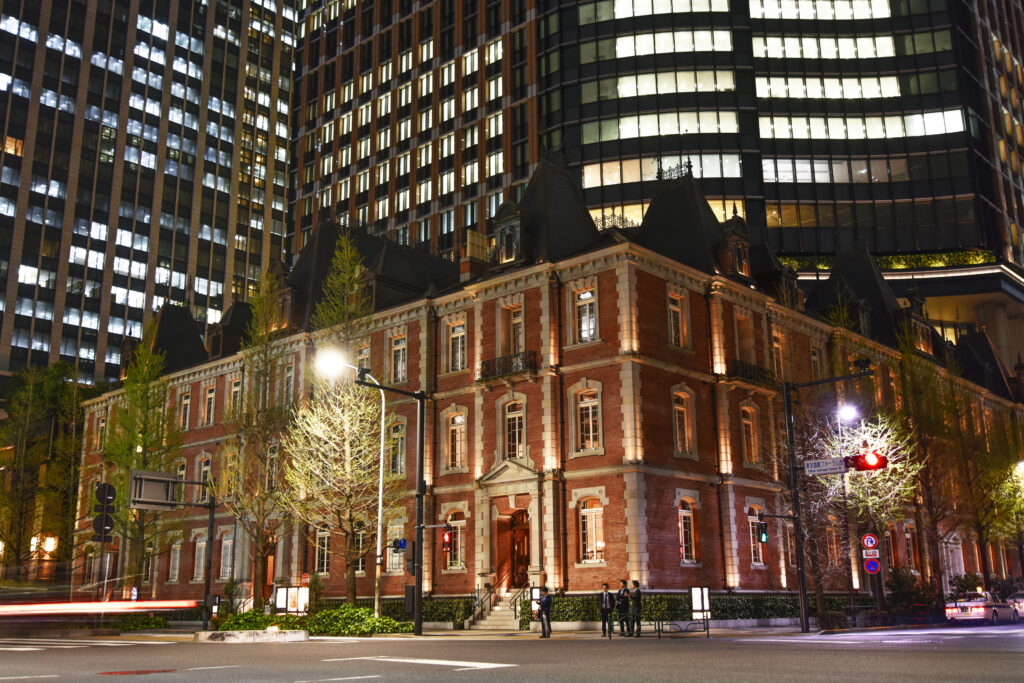
Tokyo began as Edo—a small, low-lying wetland at Japan’s eastern edge.
Over four centuries it grew into one of the world’s great cities, shaped by water routes, people on the move, and materials carried in from surrounding regions.
This site follows that story through two acts: the rise of Edo, and the transformation into modern Tokyo.
-e1768455921948-1024x802.png)
Edo’s Civil Engineering Became Gardens—and Then Hot Springs.
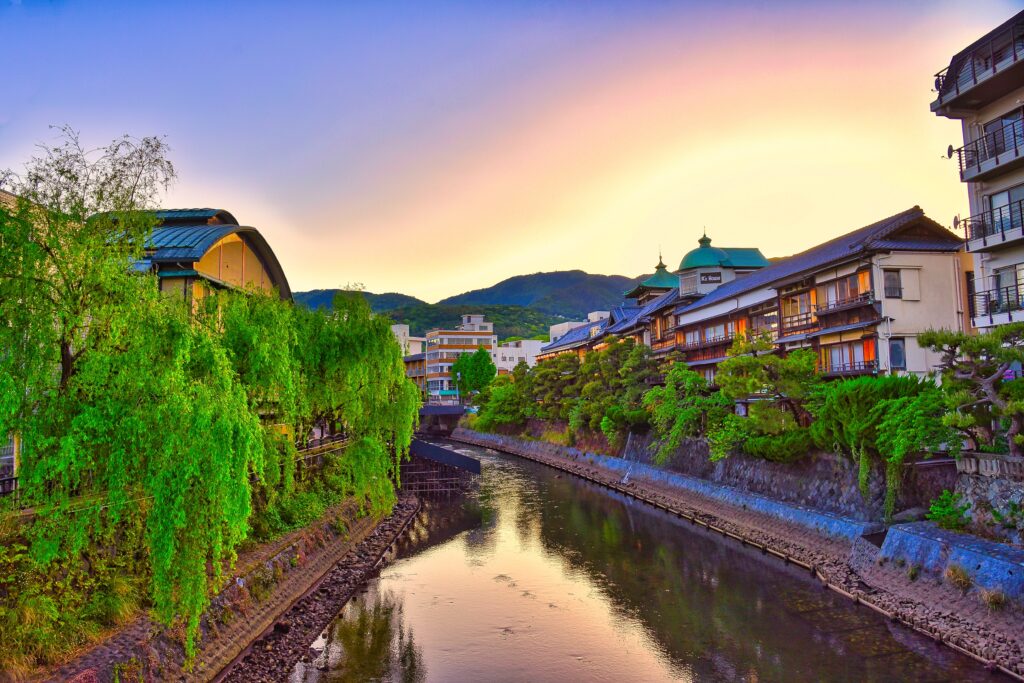
The water-control and civil-engineering skills refined through building Edo may have evolved into the art of garden-making, and ultimately fused with hot-spring culture. As Tokyo grew crowded, people seeking healing traveled to the Southern Mt. Fuji region, where “Edo gardens” lived on—within onsen inns framed by Fuji views and restorative waters.
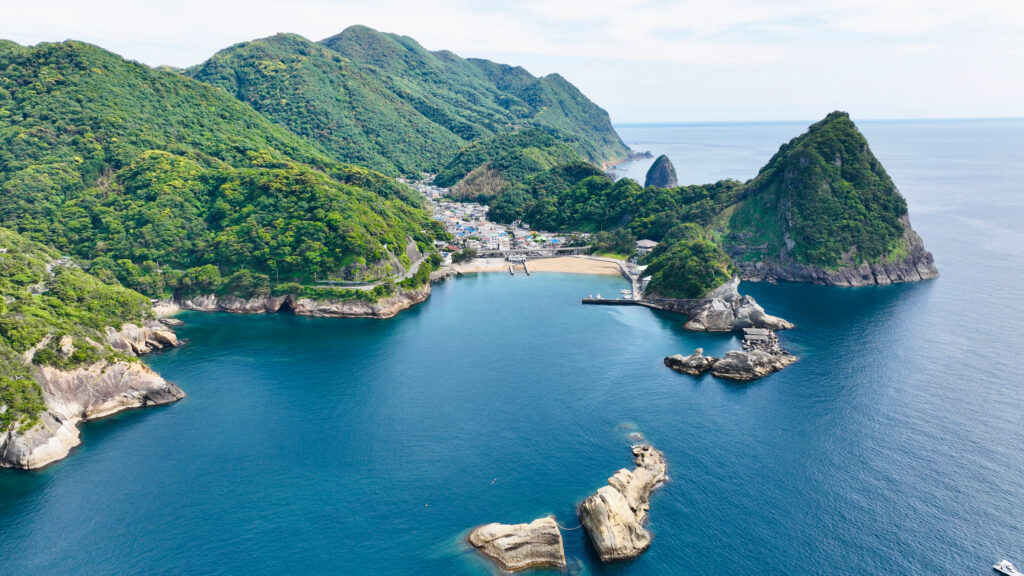
West Izu
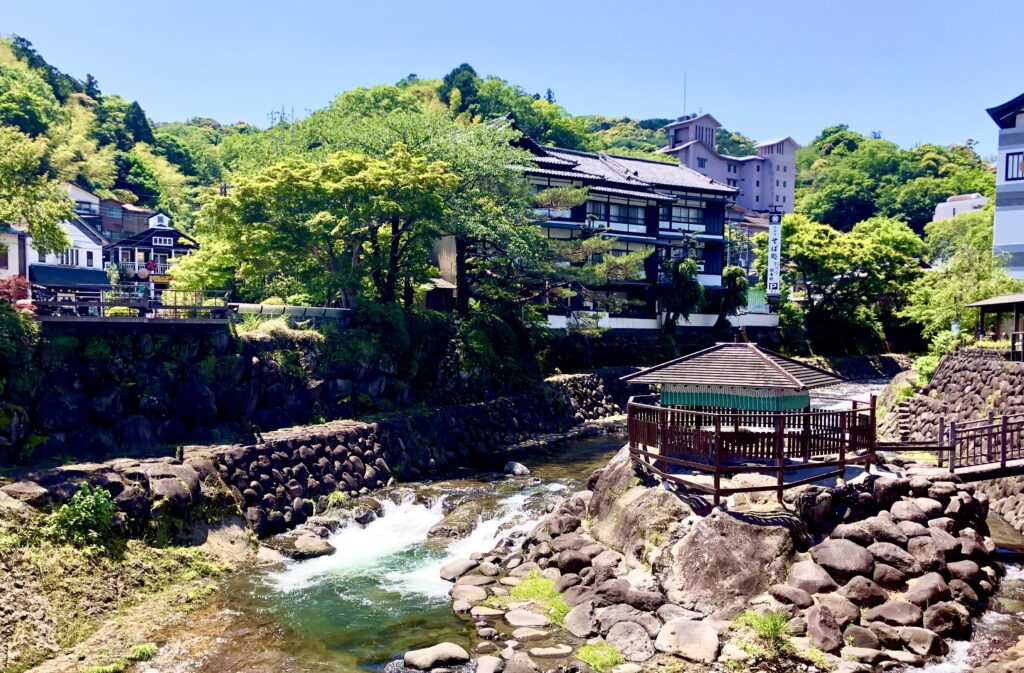
Central Izu
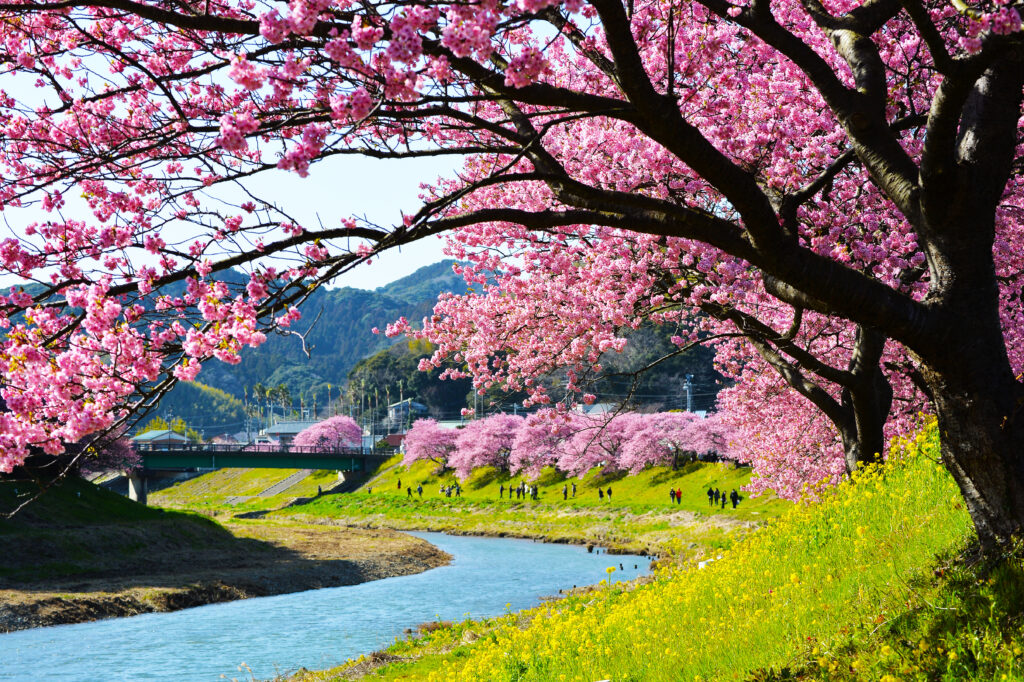
South Izu