Act One
Pax Tokugawana – Peace Begins in Edo –
People Longing for Peace
01
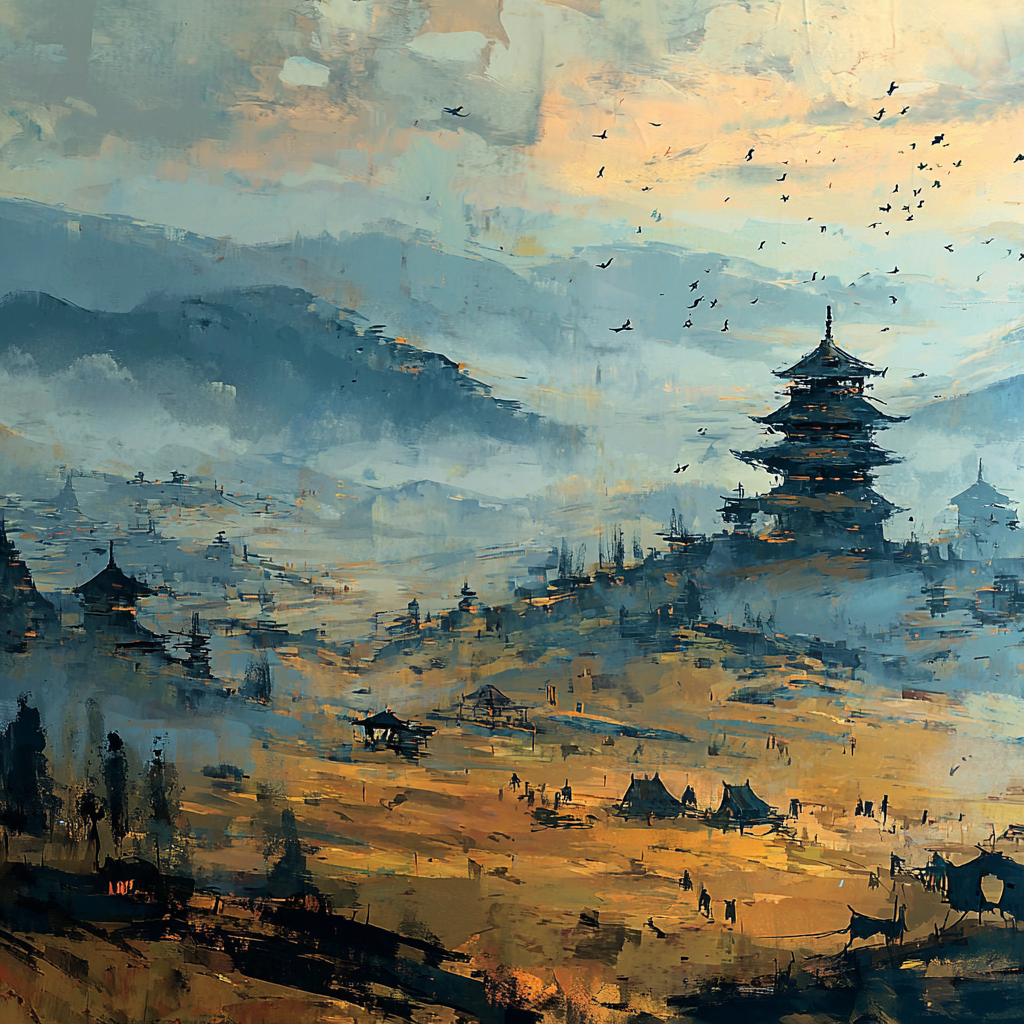
The emperor in Kyoto was respected for a long time, but he had long lacked the power to unite the country by commanding the warriors directly. So, about 560 years ago (late 1400s), local warrior leaders fought over land, and conflict continued.
Then, about 480 years ago (1543), European merchants brought guns to Japan. Warfare changed, and fighting often became even more dangerous.
People longed for one thing above all: peace and safety in everyday life. This story moves toward where that hope finally takes shape—the birth of Edo.
Efforts to preserve historical sites.
A Samurai Leader Moves East
02
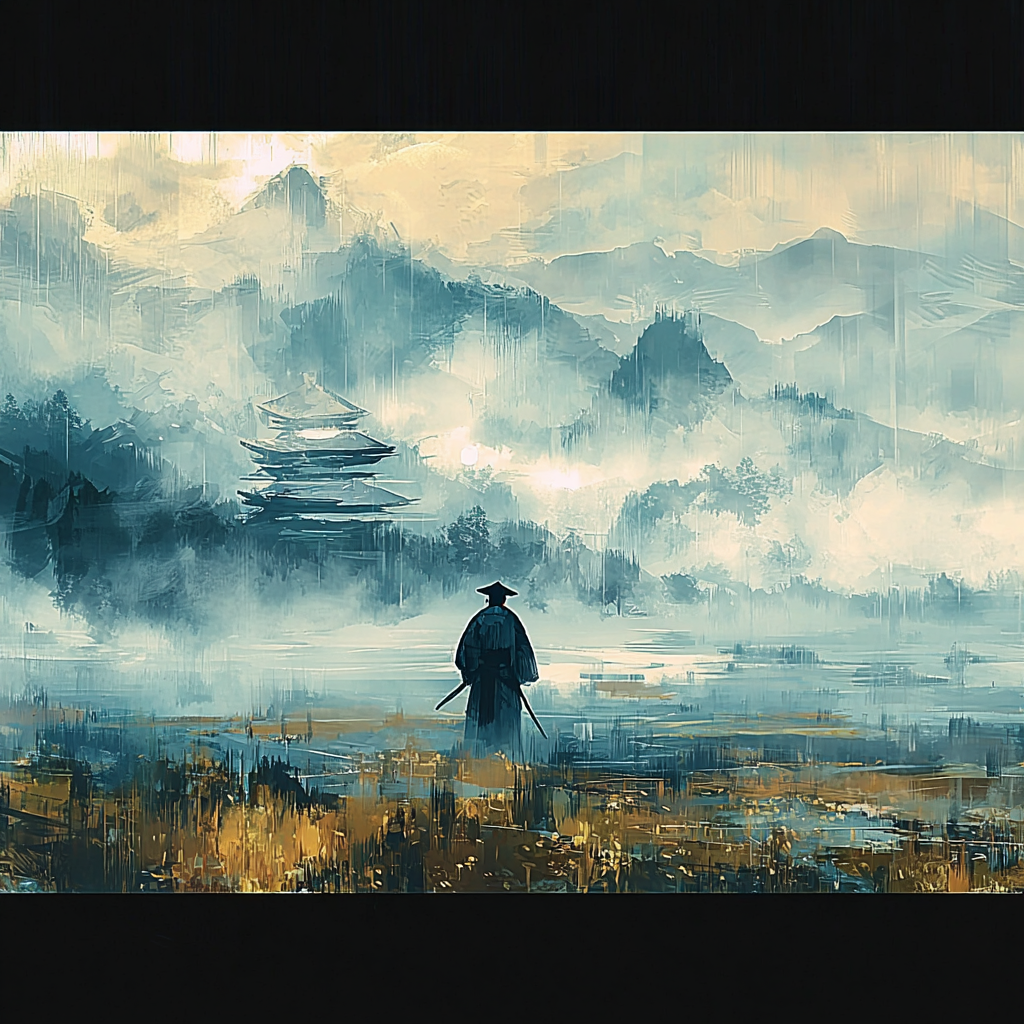
Far to the east of Kyoto, there was a powerful samurai leader. His name was Tokugawa Ieyasu.
Ieyasu was based in the lake town (Hamamatsu), trying to survive in an age of war. But war also brought suspicion into families. Sources say that Ieyasu’s wife and his eldest son were accused of working with an enemy; his wife was killed, and his son was forced to take his own life.
We cannot know exactly what Ieyasu felt. Still, he may have searched for a safer, more stable place—moving farther east into the Southern Mount Fuji region, and eventually to the Mount Fuji-view city (Sunpu).
Efforts to preserve historical sites.
Farther East—The Marsh Town Edo (Today’s Tokyo)
03
In 1590, the central regent in Kyoto—the kampaku (Toyotomi Hideyoshi)—is said to have ordered the rising eastern warlord (Tokugawa Ieyasu) to move his base even farther east. We cannot say for certain whether this was fear, caution, or strategy—but the result was clear: he was sent to the marsh town (Edo—today’s Tokyo).
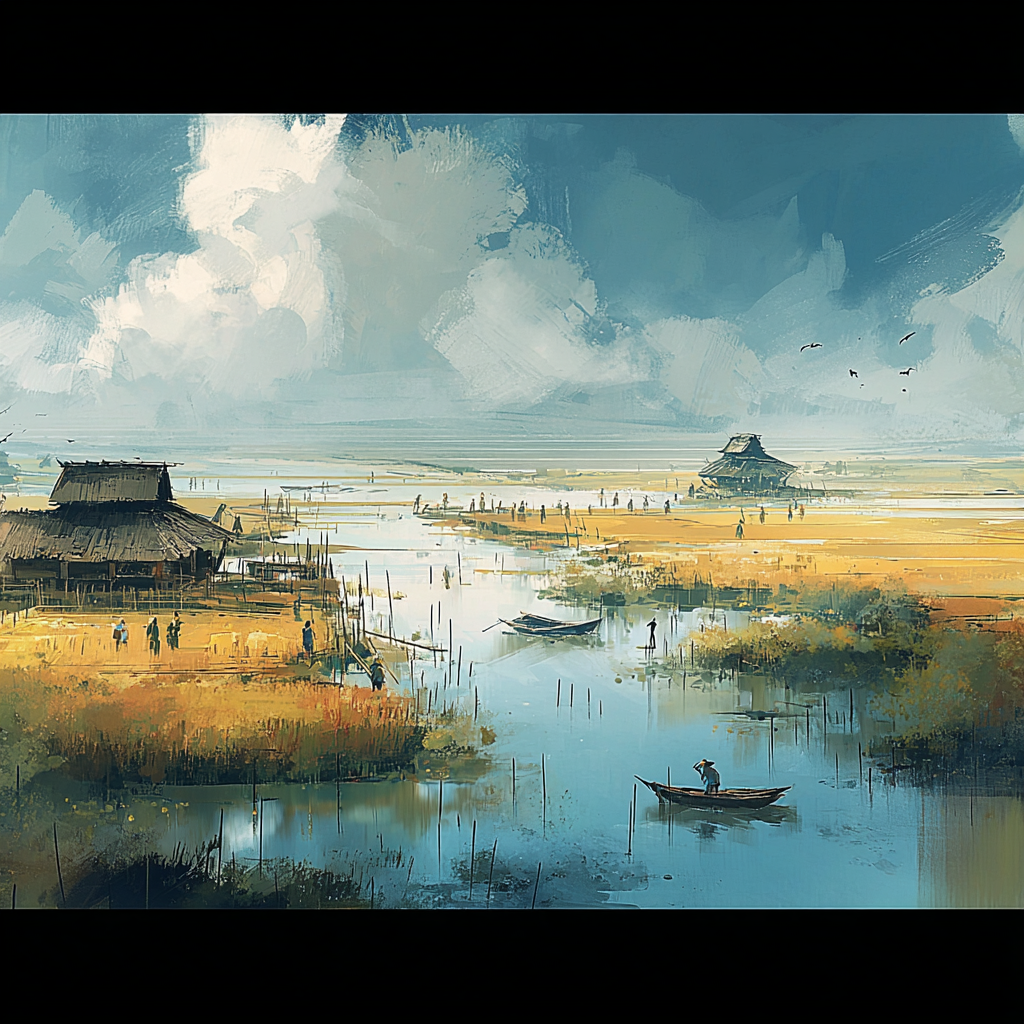
At the time, Edo was small and undeveloped, with inlets and wetlands, the kind of place where fishing life still shaped the landscape—nothing like the giant city it would later become.
Efforts to preserve historical sites.
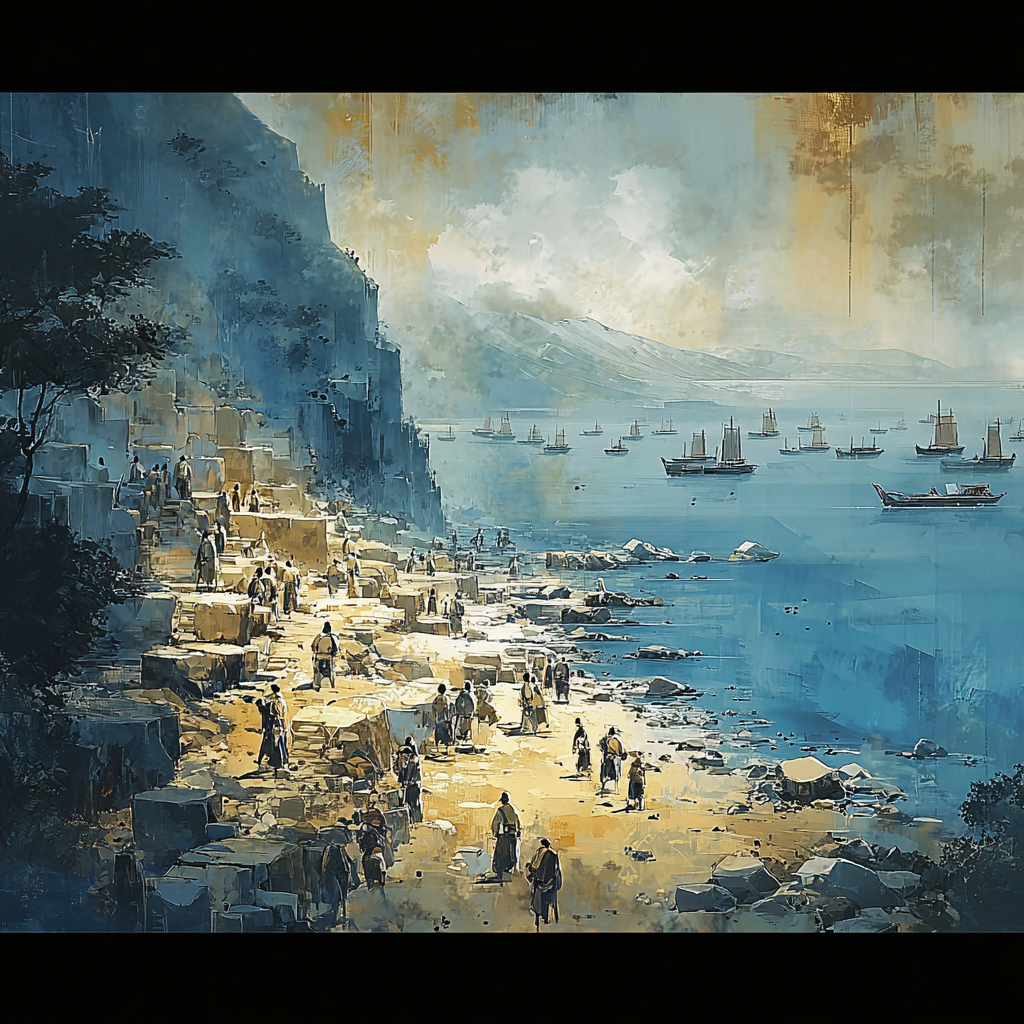
Building a City for Peace in the Eastern Marshes
04
Far to the east of Kyoto, in a marshy place (Edo—today’s Tokyo), city-building for lasting peace began. Moats and waterways were shaped, and stone and other materials were shipped by boat from the resource peninsula (Izu) and beyond, turning Edo into a busy water-transport city—somewhat like Amsterdam.
Around this time, an English navigator, William Adams (Miura Anjin), is also said to have helped build Western-style ships on the resource peninsula (Izu), showing how sea technology supported the new city.
Even today, stories remain in the Southern Mt. Fuji region and around Tokyo about materials “crossing the sea” to build Edo.
Efforts to preserve historical sites.
Japanese Cultural Heritage Award
Cultural Heritage Award 2022
National Research Fellowship
Cultural Heritage Award 2022
Best Research Publication of the Year
Best Online Exhibition
Distinctive Cultural Perspectives
Explore the intricate relationship between culture and architecture.
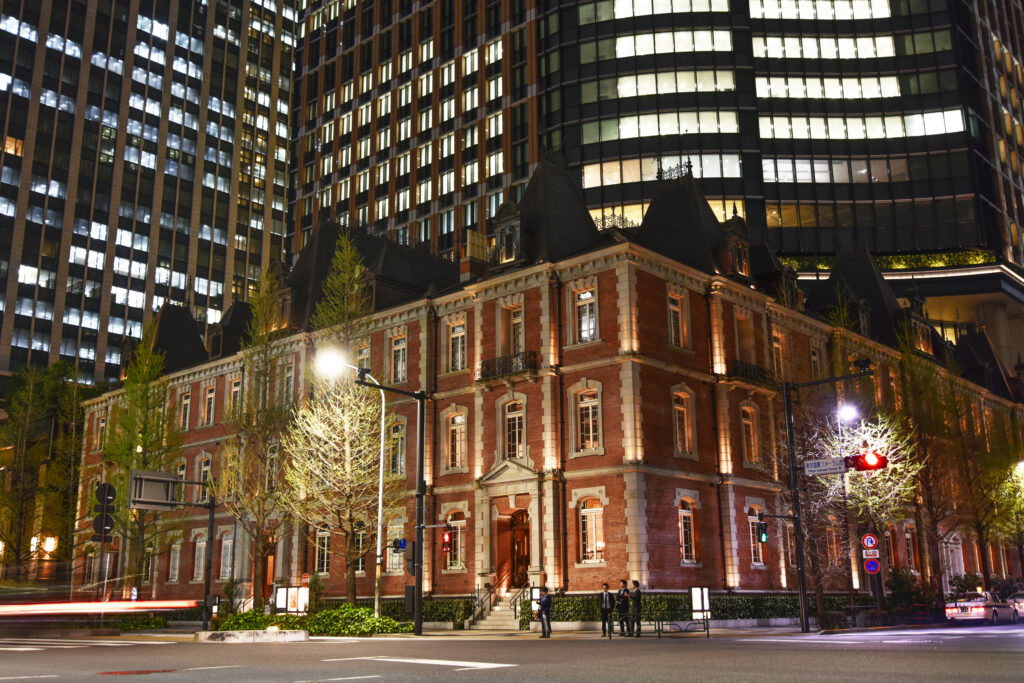
Cultural Insight
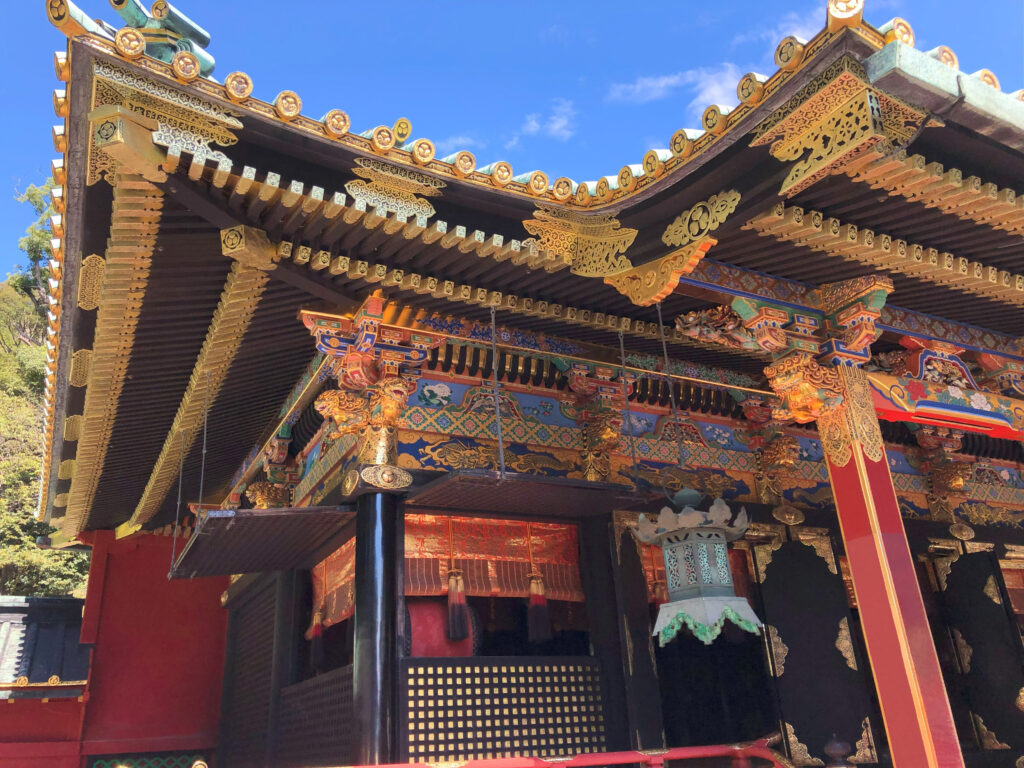
Visual Storytelling
