
Shizuoka Area is a key region along the Shogunate to Tokyo Trail, where stone resources, craftsmanship, and historical routes played an essential role in shaping early modern Japan.
Historical Background
The Shizuoka Area occupies a unique position in the history of the Tokugawa shogunate as a de facto secondary capital during the formative years of Edo. While Edo was being constructed as the new political center, the first shogun, Tokugawa Ieyasu, chose to retire to Sunpu (present-day Shizuoka), where he maintained an alternative seat of power.
Sunpu Castle functioned not merely as a place of retirement, but as another shogunal center from which Ieyasu continued to influence governance and oversee the consolidation of the regime. This dual structure—Edo as the emerging capital and Sunpu as the retired shogun’s stronghold—highlights the strategic and symbolic importance of the Shizuoka Area in the early seventeenth century.
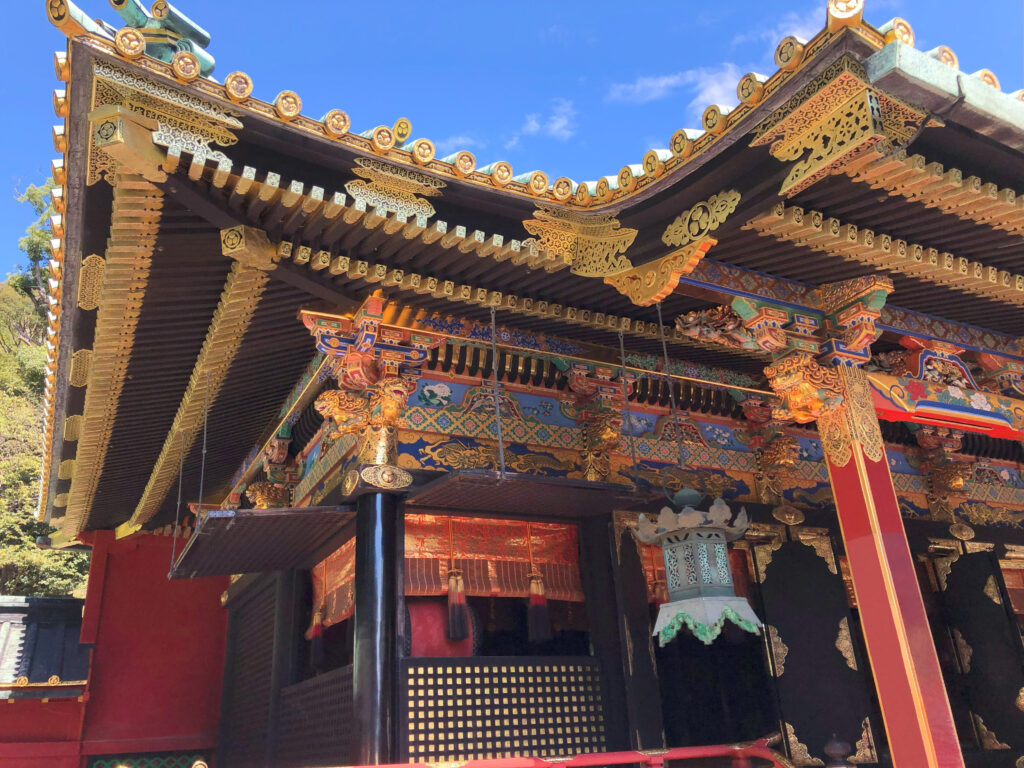
The surrounding landscape further reinforced this significance. Ascending a monumental stone stairway carved into a steep cliff, one reaches a sacred precinct from which Mount Fuji is said to appear at its most magnificent. Here stands a solemn Tōshō-gū shrine, embodying the fusion of political authority, sacred geography, and monumental stone craftsmanship that characterized Tokugawa rule.
The historical continuity of shogunal presence in the region did not end with Ieyasu. The residence associated with the final Tokugawa shogun has been preserved and remains open to the public today as a place where visitors can experience the legacy of the shogunate through architecture, landscape, and even cuisine. Together, these layers of history position the Shizuoka Area as a living archive of shogunal power, memory, and material culture.