Act Two of the Story
The End of the Shogun – Tokyo Steps into the World –
Black Ships in Edo Bay — A Shock from the Sea
01
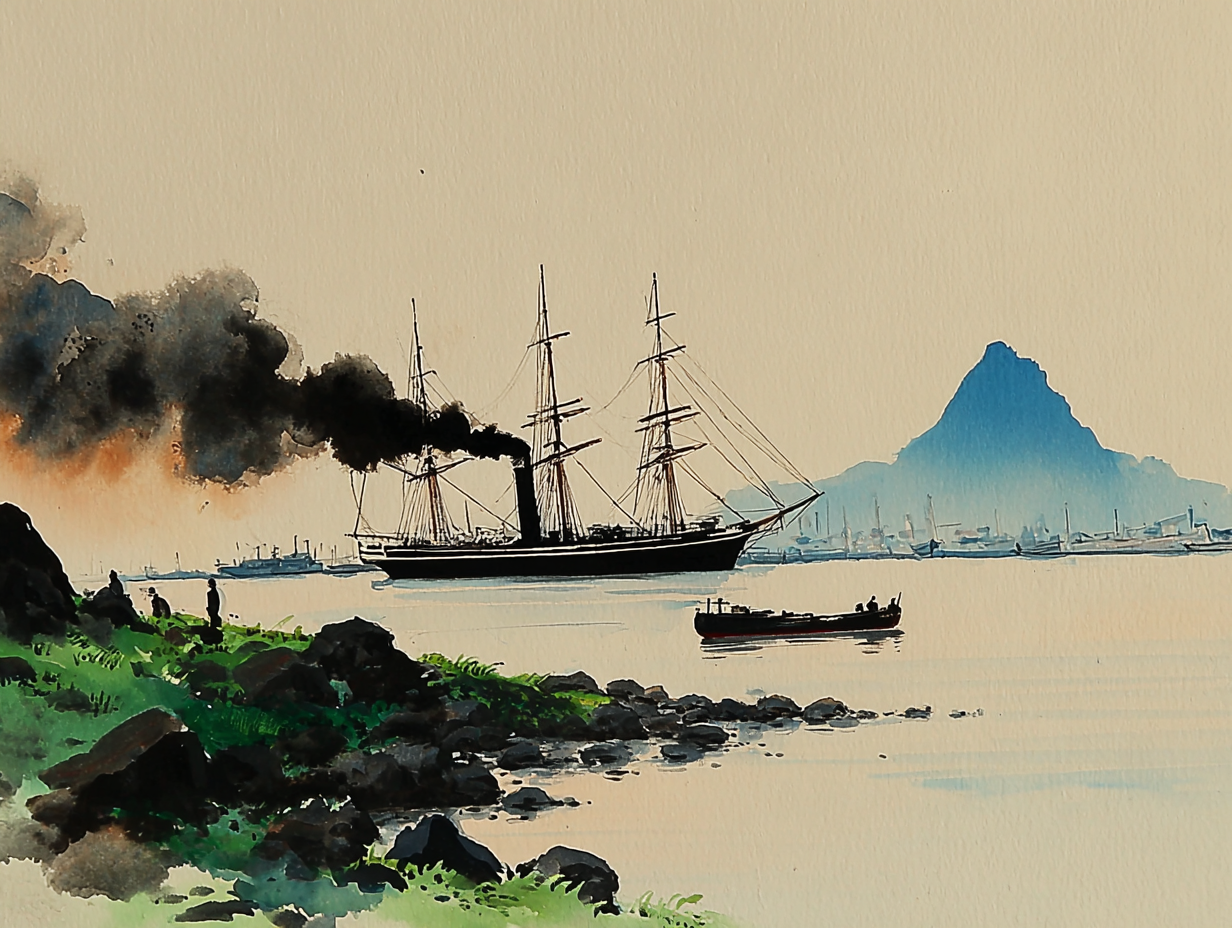
About 170 years ago (1853), strange black ships entered Edo Bay. They moved with steam and sent up thick smoke, unlike the wooden boats people knew. For many in Japan, it felt as if the outside world had suddenly come right to their doorstep.
The arrival brought fear and confusion—but also a hard question: how could the country protect its people and still face the world? The long peace that began in Edo was now being tested. And the story of Edo turning into Tokyo begins here.
Efforts to preserve historical sites.
東京都立中央図書館蔵-scaled.jpg)
Two Harbor Test Cities — Building Towns for Foreign Visitors
02
After the shock of the Black Ships, coastal towns became Japan’s “front line.” In places like Shimoda and Yokohama, people had to prepare quickly to receive foreigners and handle new rules, new trade, and new ways of living.
What followed was like a real-life experiment in city making. Stone-cutting and stone building met white plaster walls, and a new kind of streetscape began to appear. From these harbors, Japan started to open a path toward the wider world.
Efforts to preserve historical sites.
The Day Edo Became Tokyo — The Young Last Shogun’s Decision
03
After the two harbors made the outside world real, Japan entered a new era: Meiji. Edo took a new name—Tokyo—and the center of the country began to move.
A powerful symbol of this change was the Emperor traveling from Kyoto and entering Edo Castle. That castle is connected to today’s Imperial Palace, still at the heart of Tokyo—right near Tokyo Station.
Standing at this turning point was the last shogun. He was still young, and he chose to hand Edo over, at a time when war could have burned the city. Later, he returned to Sunpu (Shizuoka), the “Mt. Fuji view town” linked to the shoguns, and spent his remaining years quietly there.
Efforts to preserve historical sites.

A New Tokyo in Stone and Brick — Building a City the World Could Recognize
04
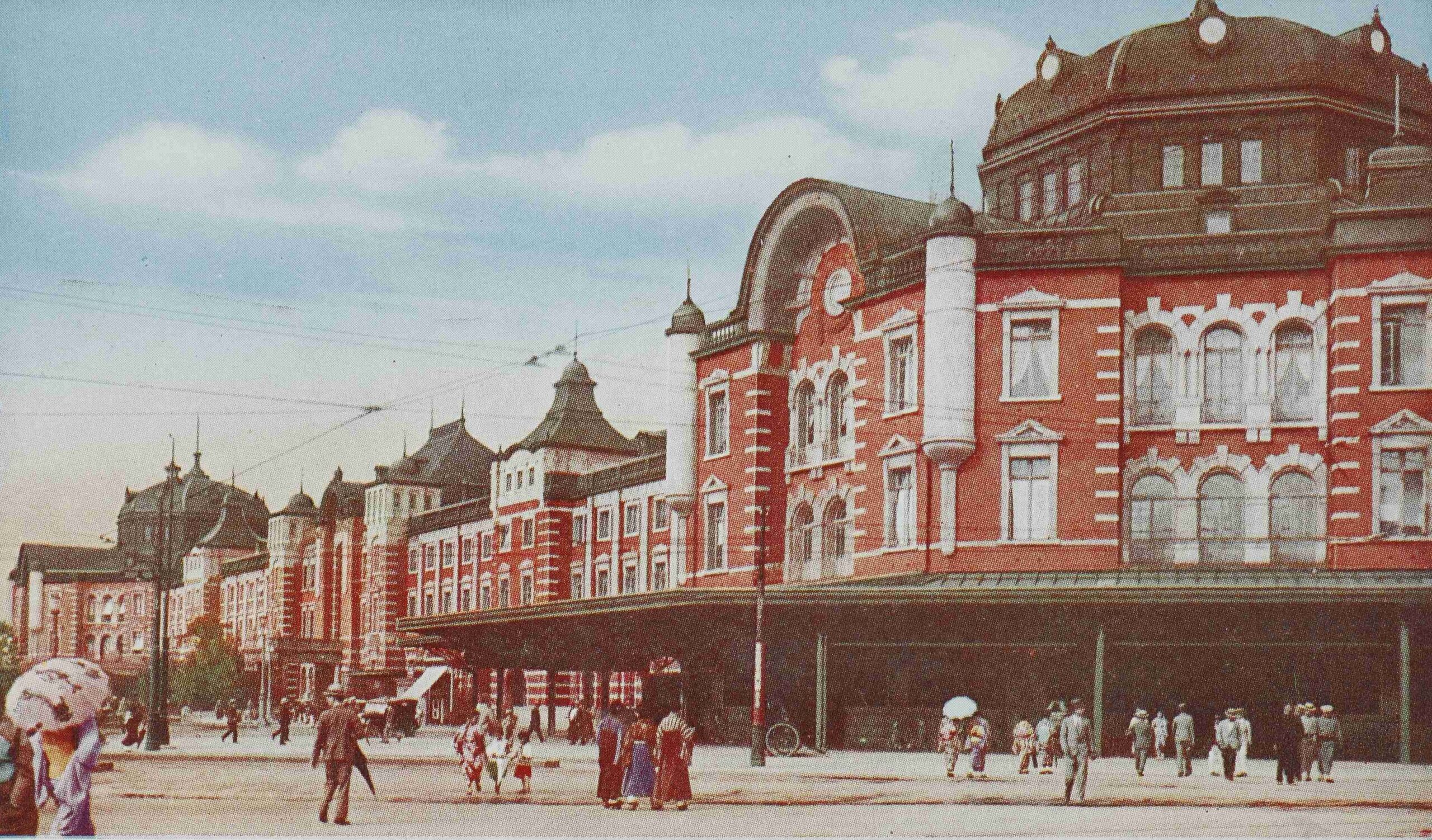
When Edo became Tokyo, it was more than a new name. The city now had to grow into a capital that could connect with the wider world. Step by step, Japanese and foreign people worked side by side—improving roads and harbors, building new public spaces, and shaping a city that could function in a modern age.
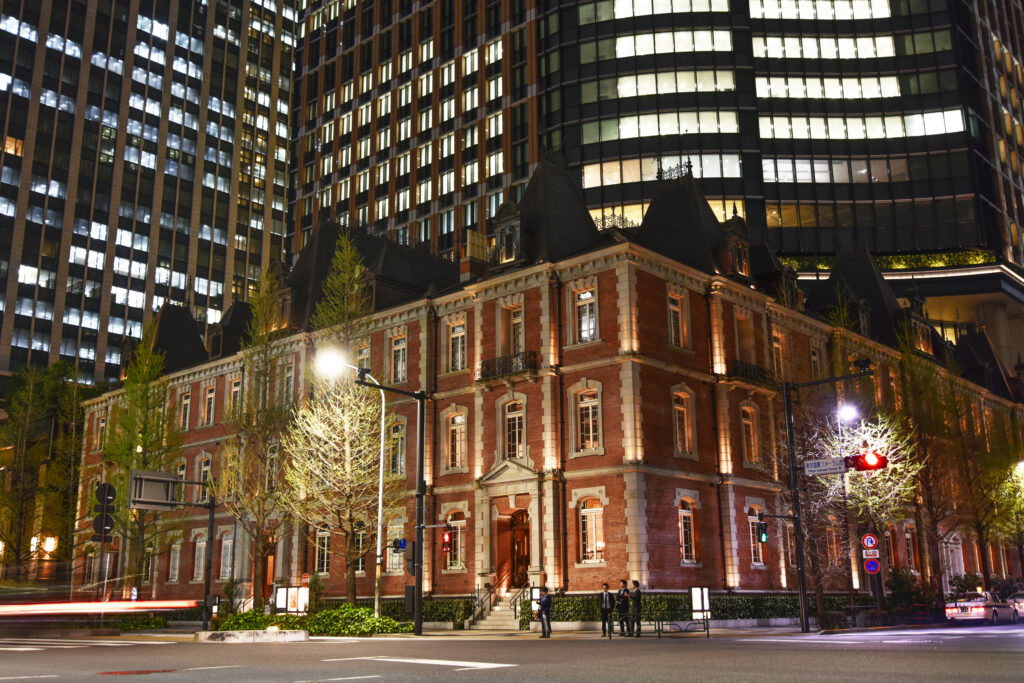
To make the city safer from fire, more stone and brick buildings appeared, and Tokyo’s skyline slowly changed. Foreign ideas and Japanese skills mixed together, and a “new Tokyo” began to take shape. In the end, the city was no longer seen only as an old castle town, but as an open, international capital—one the world could recognize.
Efforts to preserve historical sites.
Japanese Cultural Heritage Award
Cultural Heritage Award 2022
National Research Fellowship
Cultural Heritage Award 2022
Best Research Publication of the Year
Best Online Exhibition
Distinctive Cultural Perspectives
Explore the intricate relationship between culture and architecture.
Cultural Insight
Visual Storytelling
